Federal Government Mandates Daily Nap Time to Combat National Burnout Crisis
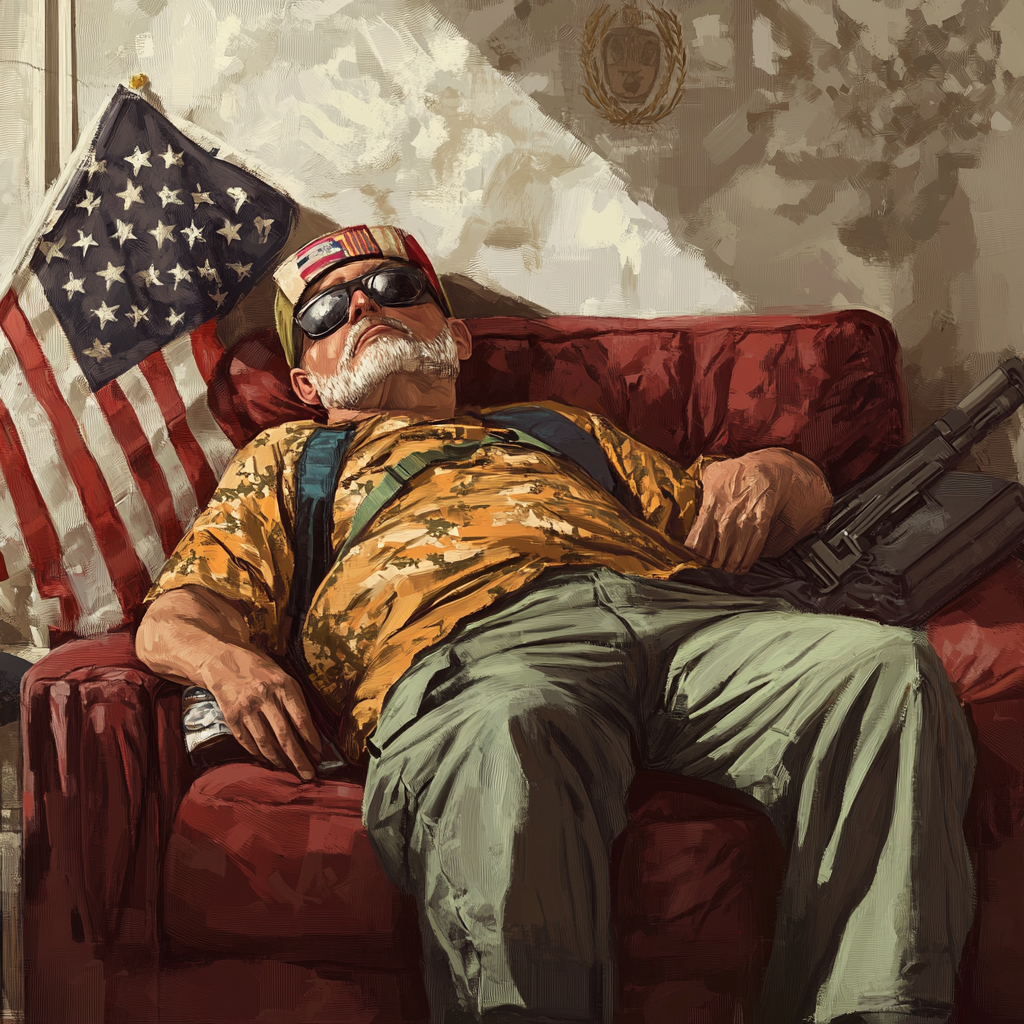
April 9, 2025 Washington D.C.
In an unprecedented move aimed at revitalizing a tired and overworked nation, the federal government unveiled a sweeping new policy Thursday morning: a mandatory national nap time. Beginning next Monday, every American will be required to pause their daily activities between 2:00 p.m. and 2:30 p.m. to rest, recharge, and “reclaim their circadian rhythm.”
The policy, part of a broader initiative called “Operation Siesta,” was announced during a press briefing at the White House by Press Secretary Lila Nordstrom, who delivered the news while sitting on a giant bean bag chair and sipping warm chamomile tea.
“Let’s face it,” Nordstrom said, stifling a yawn. “We’re all exhausted. The data is clear: workplace productivity is down, caffeine sales are up, and nationwide sass levels have reached historic highs. It’s time to bring rest back to America.” The new Department of National Relaxation (DNR), established by executive order, will oversee the implementation of the nap schedule. All federal agencies, schools, and private companies with more than five employees must provide quiet spaces for rest, including access to blankets, noise-canceling headsets, and complimentary stuffed animals.
To support the initiative, the federal government will begin distributing standardized nap pods — "NapStations™" — to schools, offices, truck stops, and fast food drive-thrus across the country. Each pod will be equipped with lavender aromatherapy dispensers, mood lighting, and a gentle robotic arm that pats you on the back until you fall asleep.
Compliance will be monitored using smart wristbands issued by the DNR, which will track heart rate, eyelid flutter, and snore decibels. Individuals caught skipping nap time will be issued a warning and enrolled in a compulsory three-day rest retreat in Vermont, where they will be taught how to nap responsibly.
To encourage widespread adoption, the IRS will offer "Sleep Credits" on next year’s taxes for every successfully logged nap, while the Department of Transportation plans to issue drivers’ licenses with a “nap rating” score based on average afternoon drowsiness.
“This is about more than just sleep,” said Dr. Marvin Gills, a behavioral economist who helped develop the program. “This is about slowing down, reducing our collective stress, and avoiding that dangerous 2:00 p.m. energy crash that leads to poorly written emails and bad decisions on Amazon.”
While the initiative has drawn praise from wellness advocates and overworked parents, critics say it's government overreach and warn of unintended consequences.
“We’re on a slippery slope,” said Representative Chad Grizzle (R-TX), sipping a triple espresso in defiance. “What’s next? Mandatory cuddle sessions? Federally funded foot rubs?” Others have expressed concern over how the mandate will impact essential services. In response, the government confirmed that "rotating nap shifts" would be implemented for first responders, air traffic controllers, and roller coaster operators.
Meanwhile, Silicon Valley has embraced the trend with typical enthusiasm. Tech company SnooziSoft has already launched a “Nap-as-a-Service” app, allowing users to book premium nap time in underground, temperature-controlled caves equipped with AI-powered white noise machines.
The President, in a televised address from his personal hammock on the White House lawn, praised the initiative as a defining moment in American history.
“We put a man on the moon. We built the Internet. And now, we’re tackling fatigue head-on,” Thornfield said, moments before drifting off mid-sentence. “This… is the dream…” Congress is now rumored to be drafting follow-up legislation, including a “Sunday Evening Sobriety Act” (mandatory chamomile tea after 6 p.m.) and a nationwide ban on emails sent after 9:00 p.m.
Until then, Americans are encouraged to set their alarms, grab a pillow, and prepare for a future where productivity begins with rest — and every day includes a federally protected nap break.
The policy, part of a broader initiative called “Operation Siesta,” was announced during a press briefing at the White House by Press Secretary Lila Nordstrom, who delivered the news while sitting on a giant bean bag chair and sipping warm chamomile tea.
“Let’s face it,” Nordstrom said, stifling a yawn. “We’re all exhausted. The data is clear: workplace productivity is down, caffeine sales are up, and nationwide sass levels have reached historic highs. It’s time to bring rest back to America.” The new Department of National Relaxation (DNR), established by executive order, will oversee the implementation of the nap schedule. All federal agencies, schools, and private companies with more than five employees must provide quiet spaces for rest, including access to blankets, noise-canceling headsets, and complimentary stuffed animals.
To support the initiative, the federal government will begin distributing standardized nap pods — "NapStations™" — to schools, offices, truck stops, and fast food drive-thrus across the country. Each pod will be equipped with lavender aromatherapy dispensers, mood lighting, and a gentle robotic arm that pats you on the back until you fall asleep.
Compliance will be monitored using smart wristbands issued by the DNR, which will track heart rate, eyelid flutter, and snore decibels. Individuals caught skipping nap time will be issued a warning and enrolled in a compulsory three-day rest retreat in Vermont, where they will be taught how to nap responsibly.
To encourage widespread adoption, the IRS will offer "Sleep Credits" on next year’s taxes for every successfully logged nap, while the Department of Transportation plans to issue drivers’ licenses with a “nap rating” score based on average afternoon drowsiness.
“This is about more than just sleep,” said Dr. Marvin Gills, a behavioral economist who helped develop the program. “This is about slowing down, reducing our collective stress, and avoiding that dangerous 2:00 p.m. energy crash that leads to poorly written emails and bad decisions on Amazon.”
While the initiative has drawn praise from wellness advocates and overworked parents, critics say it's government overreach and warn of unintended consequences.
“We’re on a slippery slope,” said Representative Chad Grizzle (R-TX), sipping a triple espresso in defiance. “What’s next? Mandatory cuddle sessions? Federally funded foot rubs?” Others have expressed concern over how the mandate will impact essential services. In response, the government confirmed that "rotating nap shifts" would be implemented for first responders, air traffic controllers, and roller coaster operators.
Meanwhile, Silicon Valley has embraced the trend with typical enthusiasm. Tech company SnooziSoft has already launched a “Nap-as-a-Service” app, allowing users to book premium nap time in underground, temperature-controlled caves equipped with AI-powered white noise machines.
The President, in a televised address from his personal hammock on the White House lawn, praised the initiative as a defining moment in American history.
“We put a man on the moon. We built the Internet. And now, we’re tackling fatigue head-on,” Thornfield said, moments before drifting off mid-sentence. “This… is the dream…” Congress is now rumored to be drafting follow-up legislation, including a “Sunday Evening Sobriety Act” (mandatory chamomile tea after 6 p.m.) and a nationwide ban on emails sent after 9:00 p.m.
Until then, Americans are encouraged to set their alarms, grab a pillow, and prepare for a future where productivity begins with rest — and every day includes a federally protected nap break.