Federal Government Announces Plan to Revitalize Rural Infrastructure with $10 Billion Investment
April 8, 2025 Washington D.C.
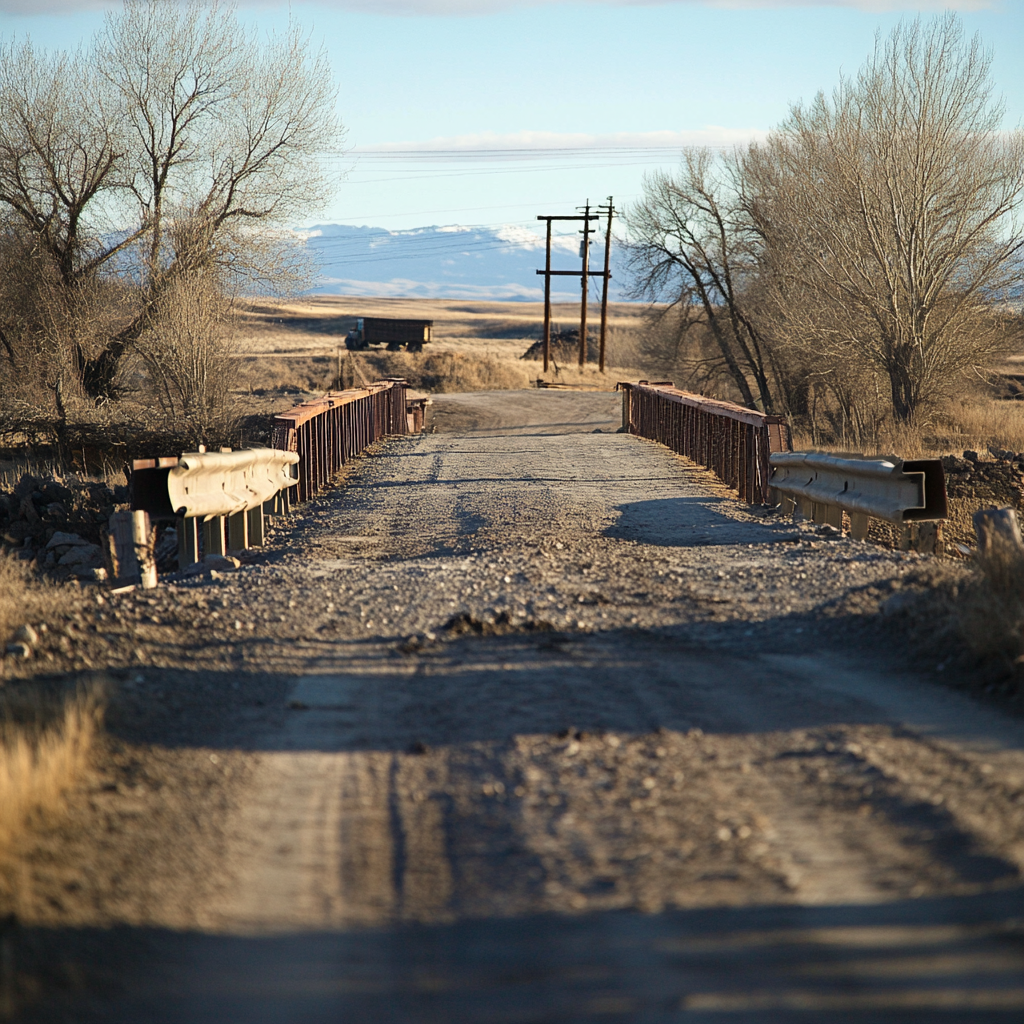
In a groundbreaking move, the federal government has unveiled a $10 billion initiative aimed at revitalizing rural infrastructure across the United States. The plan, which was announced earlier today by Secretary of Transportation Taylor Hayes, promises to deliver long-overdue upgrades to roads, bridges, and public services in underserved rural areas, a move that could drastically improve the quality of life for millions of Americans living outside major metropolitan centers.
"Our rural communities are the backbone of this nation, but they’ve been left behind for far too long," Secretary Hayes said during the announcement. "This new initiative is about ensuring that rural Americans have access to the same infrastructure and services that urban areas enjoy. It’s time to bring our highways, bridges, and utility networks into the 21st century."
The $10 billion investment will focus on four key areas: modernizing transportation systems, upgrading broadband access, improving water and energy infrastructure, and providing support for rural healthcare facilities. The initiative aims to boost economic opportunities, create jobs, and enhance the overall standard of living in rural regions, where many communities have struggled with aging infrastructure and lack of resources.
According to the Department of Transportation, the funding will be allocated to projects in all 50 states, with a special emphasis on rural areas that have been historically underfunded. The plan also includes a new federal grant program to encourage state and local governments to partner with private sector companies in order to speed up the construction process and ensure cost efficiency.
"The rural-urban divide is not just about population size; it’s about opportunity," the President said in a statement following the announcement. "This investment is an investment in the future of America’s heartland, and it will create a ripple effect that benefits all Americans."
However, the announcement has sparked mixed reactions. While many rural advocacy groups have praised the initiative, some critics argue that the plan does not go far enough to address the root causes of rural decline. Senator Riley Carter, a representative from a rural state in the Midwest, welcomed the funding but urged the federal government to do more.
"While I support any investment in rural America, this plan doesn’t tackle the most pressing issues," Carter said in an interview with National Public Radio. "We need to focus on attracting more businesses to rural areas, and that means offering incentives for innovation and entrepreneurship. This infrastructure plan is just one piece of the puzzle."
Economic analysts also warn that the ambitious project could face significant challenges, particularly with the labor shortages in the construction industry. "It’s all well and good to announce a major investment, but implementing these projects will require a skilled workforce that is in short supply," said Dr. Casey Brooks, an economic expert at the Brookhaven Institute. "The government will need to focus not only on funding but also on workforce development if they want these projects to succeed."
Despite the hurdles, many are hopeful that the initiative will provide long-term benefits for rural communities, particularly as the COVID-19 pandemic continues to reshape how people live and work. With more Americans relocating to rural areas in search of a lower cost of living and greater space, the demand for improved infrastructure has never been higher.
The government expects the first phase of funding to be released within the next 90 days, with construction work on priority projects slated to begin in the summer of 2025. Federal officials have emphasized that this plan is only the beginning, and further investments in rural America could be on the horizon if the program proves successful.
For more information on the Rural Infrastructure Revitalization Initiative, visit our website.
"Our rural communities are the backbone of this nation, but they’ve been left behind for far too long," Secretary Hayes said during the announcement. "This new initiative is about ensuring that rural Americans have access to the same infrastructure and services that urban areas enjoy. It’s time to bring our highways, bridges, and utility networks into the 21st century."
The $10 billion investment will focus on four key areas: modernizing transportation systems, upgrading broadband access, improving water and energy infrastructure, and providing support for rural healthcare facilities. The initiative aims to boost economic opportunities, create jobs, and enhance the overall standard of living in rural regions, where many communities have struggled with aging infrastructure and lack of resources.
According to the Department of Transportation, the funding will be allocated to projects in all 50 states, with a special emphasis on rural areas that have been historically underfunded. The plan also includes a new federal grant program to encourage state and local governments to partner with private sector companies in order to speed up the construction process and ensure cost efficiency.
"The rural-urban divide is not just about population size; it’s about opportunity," the President said in a statement following the announcement. "This investment is an investment in the future of America’s heartland, and it will create a ripple effect that benefits all Americans."
However, the announcement has sparked mixed reactions. While many rural advocacy groups have praised the initiative, some critics argue that the plan does not go far enough to address the root causes of rural decline. Senator Riley Carter, a representative from a rural state in the Midwest, welcomed the funding but urged the federal government to do more.
"While I support any investment in rural America, this plan doesn’t tackle the most pressing issues," Carter said in an interview with National Public Radio. "We need to focus on attracting more businesses to rural areas, and that means offering incentives for innovation and entrepreneurship. This infrastructure plan is just one piece of the puzzle."
Economic analysts also warn that the ambitious project could face significant challenges, particularly with the labor shortages in the construction industry. "It’s all well and good to announce a major investment, but implementing these projects will require a skilled workforce that is in short supply," said Dr. Casey Brooks, an economic expert at the Brookhaven Institute. "The government will need to focus not only on funding but also on workforce development if they want these projects to succeed."
Despite the hurdles, many are hopeful that the initiative will provide long-term benefits for rural communities, particularly as the COVID-19 pandemic continues to reshape how people live and work. With more Americans relocating to rural areas in search of a lower cost of living and greater space, the demand for improved infrastructure has never been higher.
The government expects the first phase of funding to be released within the next 90 days, with construction work on priority projects slated to begin in the summer of 2025. Federal officials have emphasized that this plan is only the beginning, and further investments in rural America could be on the horizon if the program proves successful.
For more information on the Rural Infrastructure Revitalization Initiative, visit our website.